
We Safely Remove Yellow Jackets, Hornets, and Wasps From Your Property
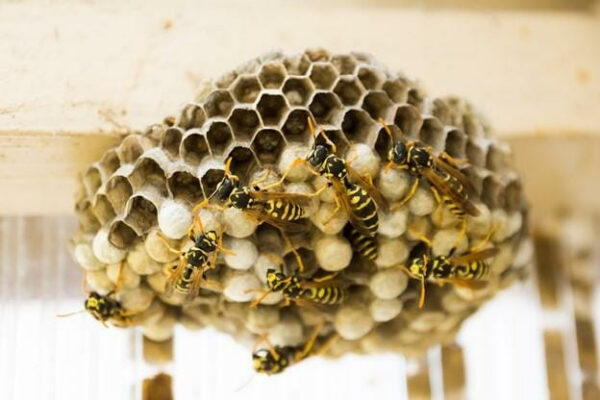
You should be able to enjoy your outdoor space – but the Bay Area’s mild winters and dry summers create perfect conditions for stinging insects to thrive and nest year-round.
Wasps, yellow jackets, and hornets nest under eaves, in the ground, and around your yard structures. Once a colony is established, they can turn aggressive – and unlike bees, they can sting multiple times, putting your family and pets at serious risk.
At Smith’s Pest Management, we help Bay Area homeowners (and businesses!) safely eliminate stinging insects using targeted, eco-conscious treatments that protect your family and the environment.
Don’t wait until someone gets hurt — call now to schedule a FREE inspection:
What’s Buzzing Around Your Yard?
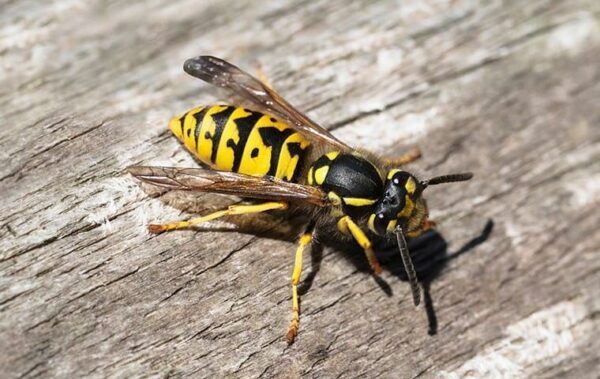
Yellow Jackets
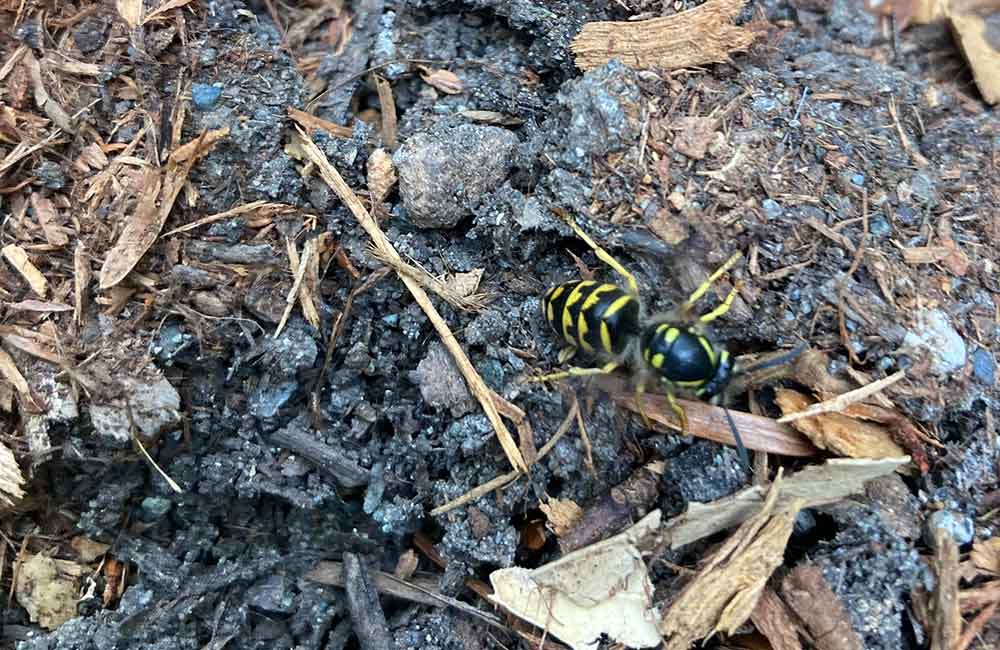
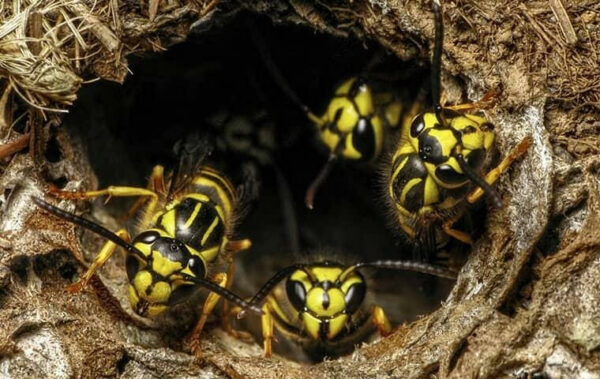
These are the ones most likely ruining your BBQ. Small, bright yellow and black with smooth, shiny bodies, yellow jackets are fast, aggressive, and obsessed with your food and trash. What makes them tricky is that you often can’t see their nest – they typically build underground or inside wall voids, with just a small entry hole to give them away. Check along fence lines and under your lawn.
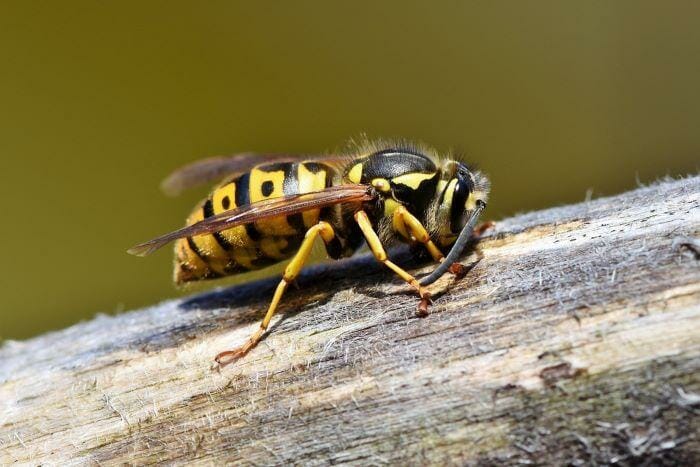
Hornets
Hornets are bigger and beefier than wasps, with thick bodies and black-and-white or brown markings. They’re not as erratic as yellow jackets, but don’t let that fool you – get too close to their nest, and they will defend it. The good news is their nests are hard to miss: large, enclosed, paper-like structures hanging under eaves, in trees, or attached to your home.
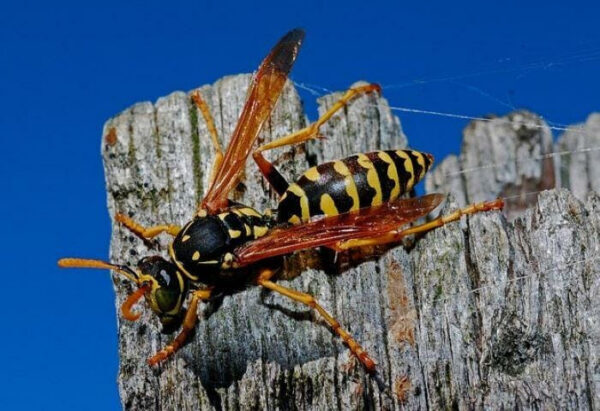
Wasps
Wasps are the slender ones with long legs that dangle when they fly. They’re generally less aggressive than the other two, but disturb their nest and they’ll sting without hesitation. Their nests are small and open, like an exposed honeycomb, and you’ll usually spot them under eaves, patio covers, light fixtures, or along railings.
How We Treat for These Pests
1
Inspect the Entire Property
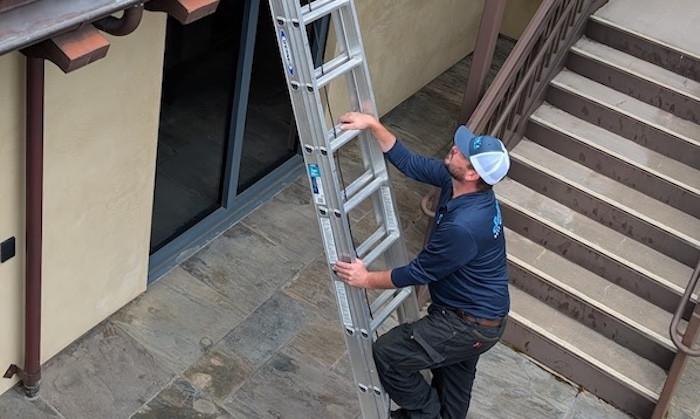
Our team identifies where the insects are active on your property and determines what attracted them to your residence to begin with. We:
- track flight patterns to pinpoint nest locations
- inspect lawns, slopes, planter beds, and structural voids
- identify moisture, food sources, and shelter that attract them
2
Treat the Nest and Eliminate Active Insects
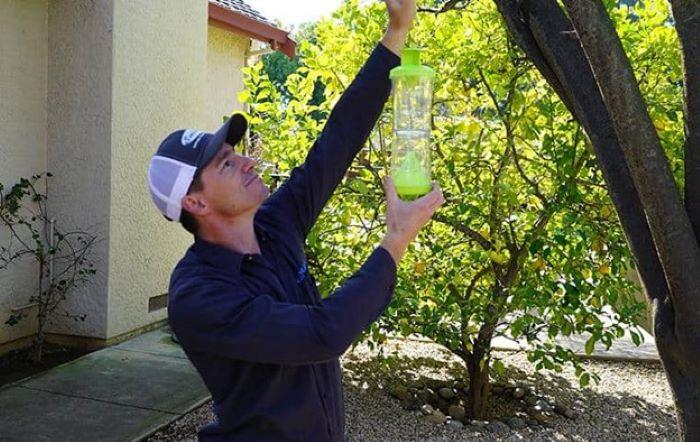
Once we locate the nest, we eliminate the colony and treat the surrounding area to prevent insects from returning. We:
- apply targeted, eco-friendly treatment directly into the nest to eliminate the colony
- treat the surrounding area to reduce active insects immediately
- remove or neutralize the nest to prevent continued activity
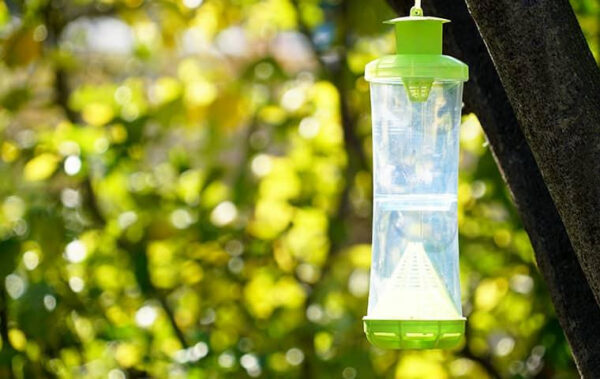
- place bait stations to eliminate foraging insects that were not in the nest
3
Monitor Activity and Prevent Future Problems

To prevent new infestations, we:
- monitor your property for continued or new activity
- re-treat active nests when needed
- remove attractants like exposed trash, fallen fruit, and outdoor food sources
Success Story: How We Helped an Oakland Homeowner Eliminate Yellow Jackets
A homeowner near Joaquin Miller Park contacted us after noticing yellow jackets swarming their backyard whenever they mowed the lawn.
He could not find a visible nest, but he was bothered by the presence of the yellow jackets whenever he went into his yard.
During our inspection, we tracked the yellow jackets to a small, hidden hole near a retaining wall. The nest was completely underground but highly active.
The yard had an irrigated lawn, nearby fruit trees, and shaded soil, which created ideal nesting conditions.
Each time he walked through the area or mowed the lawn, the colony responded aggressively.
We treated the nest directly and placed bait around the property to eliminate foraging yellow jackets.
Within a few days, yellow jackets started showing up less around the property. Within a week, the homeowner could access his yard again without nuisance pest activity.

What Our Customers Say
FAQ
Our mild winters allow colonies to survive longer, and warm, dry summers help populations grow quickly.
Irrigated landscapes, fallen fruit, outdoor dining areas, pet food, and accessible trash provide ideal nesting and feeding conditions.
You can usually tell by how they look and how they behave. Bees have fuzzy, rounded bodies and move more slowly as they collect pollen. You’ll often see them going in and out of the same spot calmly, without reacting to nearby activity.
Wasps, yellow jackets, and hornets look sleeker and shinier, with narrow bodies and more erratic, fast movement. They also react much more aggressively when you get close to their nest.
Bees also nest differently. You’ll find them inside wall cavities, tree hollows, or clustered together in exposed areas, rather than building paper nests or nesting in the ground like other stinging insects.
Bees play an important role as pollinators and are protected, so we do not treat or eliminate them. If you’re dealing with bees, we can help you identify them and guide you on the next steps for safe handling or relocation.
In the Bay Area, stinging insects are the most active in late summer and early fall when colonies are at their largest.
It is risky. Ground nests can contain hundreds or thousands of insects, and disturbing them can trigger a mass attack.
We usually reduce their activity within a few days, but larger colonies may take multiple visits to fully eliminate.